

Solar power from the balcony store – and use in the evening
Your balcony power plant generates power during the day that you do not consume. With a LiPower power station you can store this excess solar power and use it in the evening, at night, or during a power outage – without any installation.
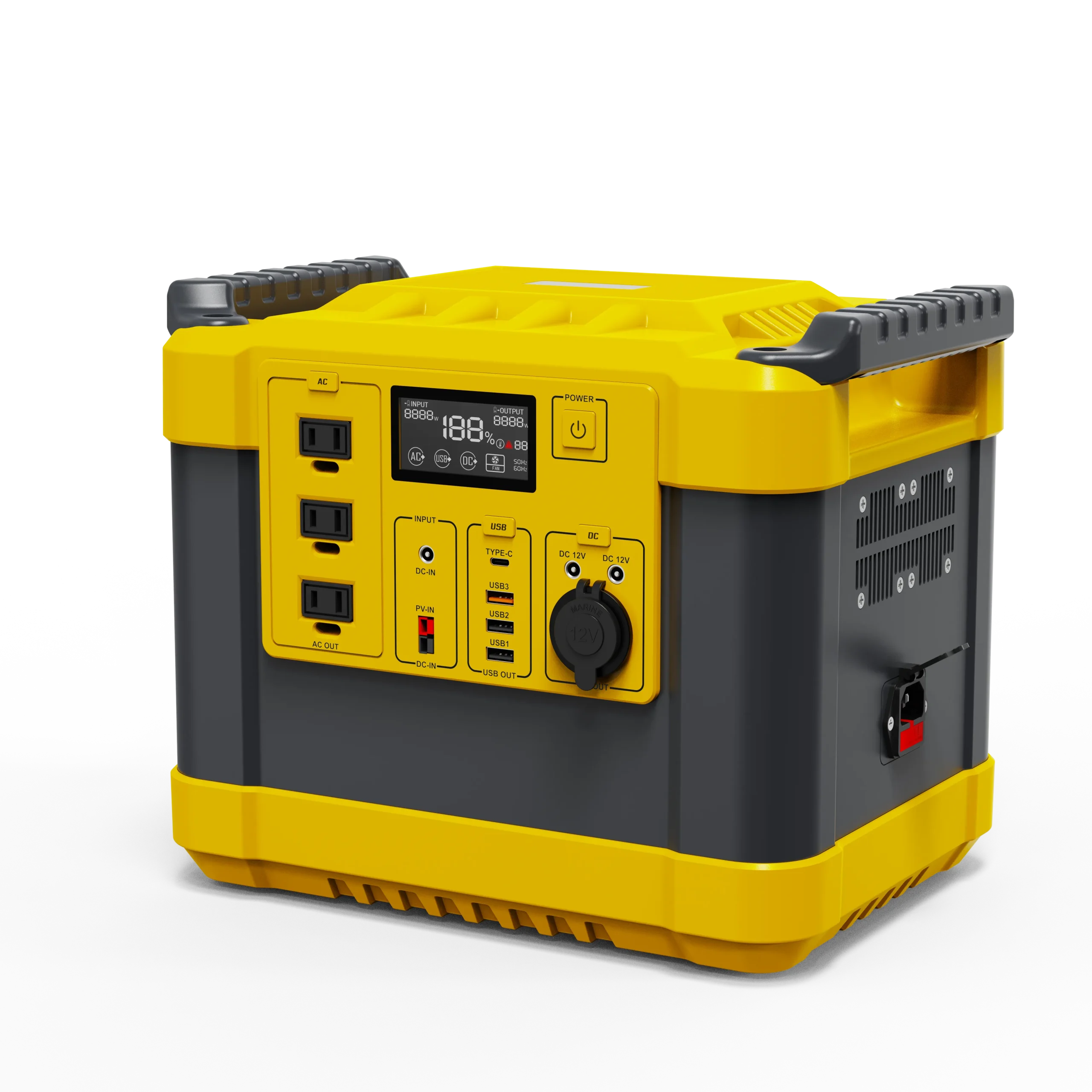
Do you recognize these problems with your balcony power plant?
Without storage, valuable solar power is lost
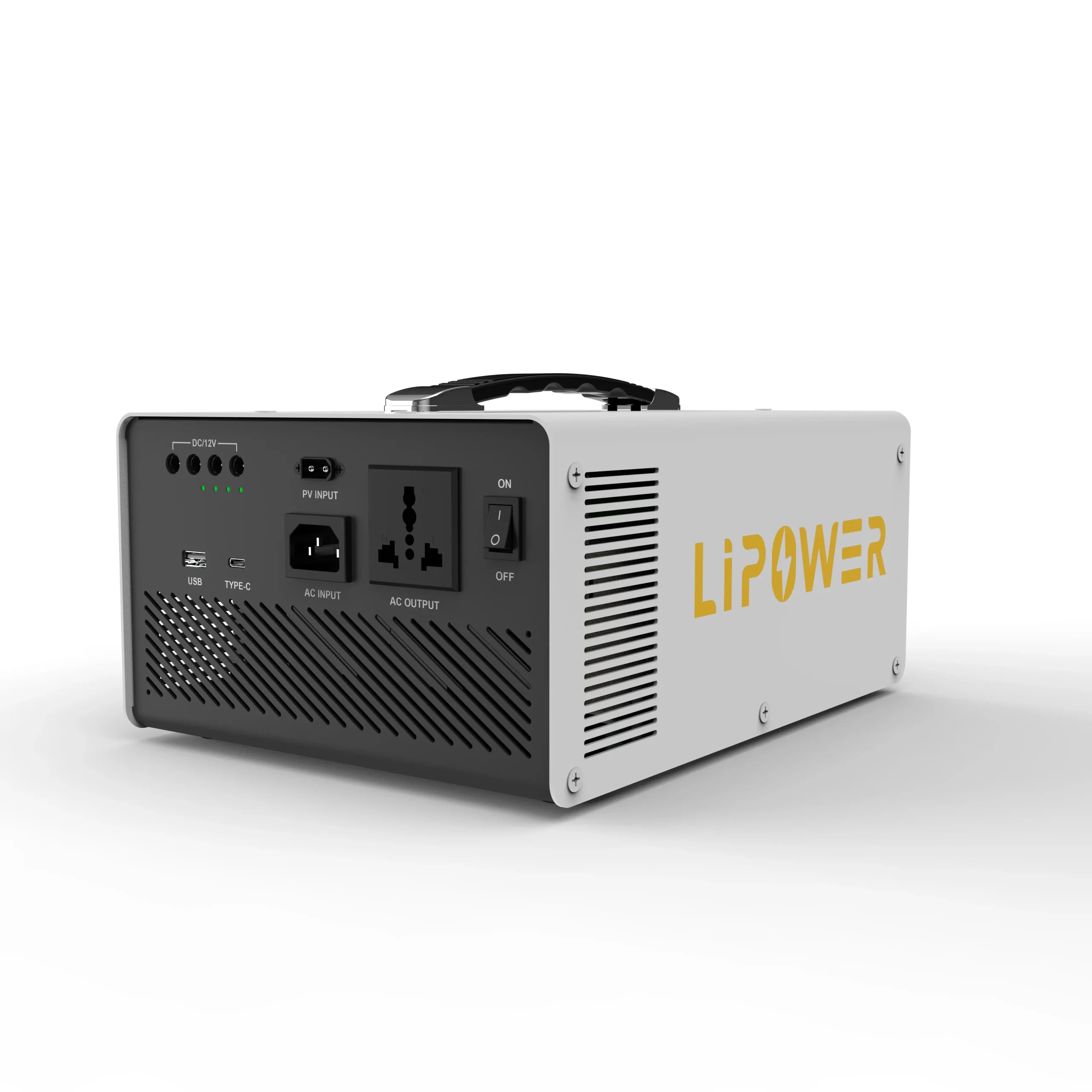
Power flows into the grid unused
During the day your balcony power plant generates power – but you are at work. The excess power flows into the public grid without compensation.
High electricity costs despite solar system
In the evening, when you need power, the sun seems to have disappeared. You buy expensive grid electricity – even though you produced some yourself during the day.
No protection during a power outage
During a power outage, a balcony power plant is of no use to you – without storage there is no backup power for router, light or refrigerator.
Complicated storage solutions
Traditional home storage is expensive, requires an electrician, and is oversized for a balcony solar system.
LiPower Powerstations – Your balcony solar storage
Simply connect, store solar power, use in the evening. Tuned for 300W–800W balcony solar modules.
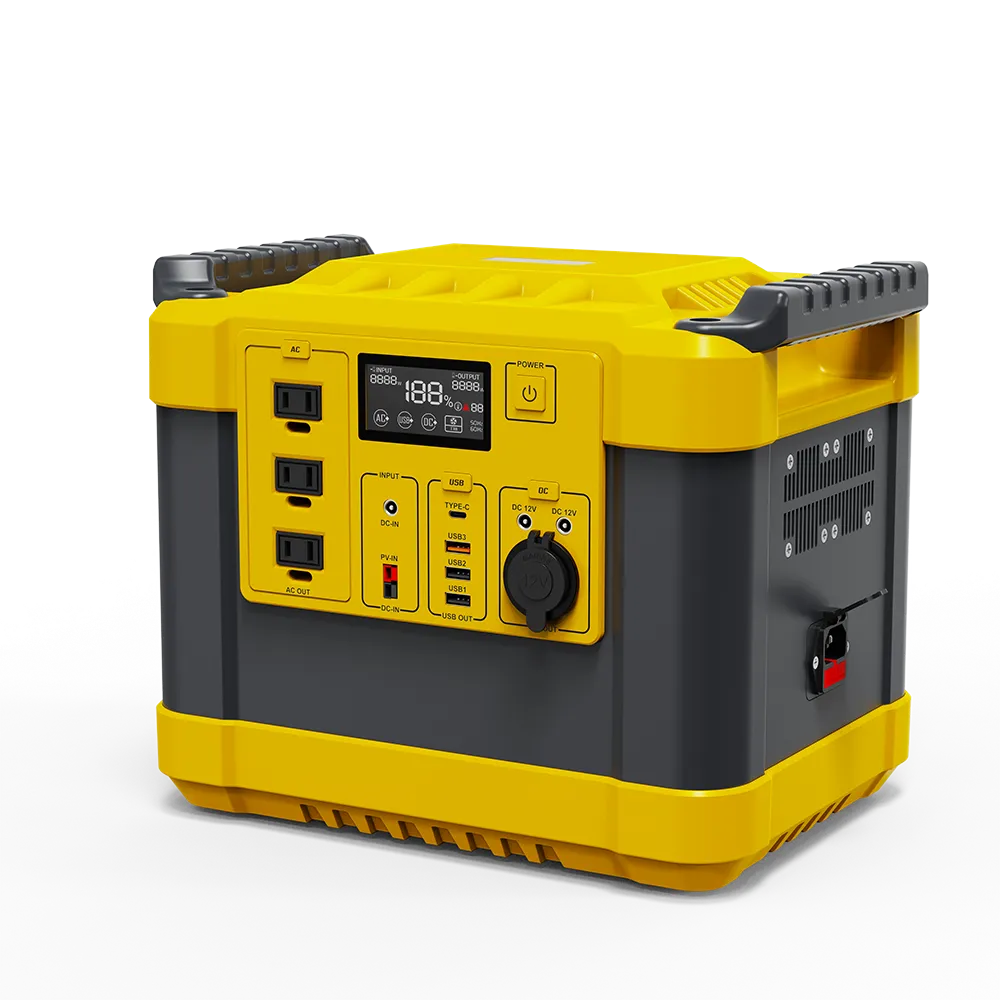
LiPower G1000
Compact entry storage for small balcony systems up to 200Wp. Ideal for LED lighting, smartphone, and laptop.
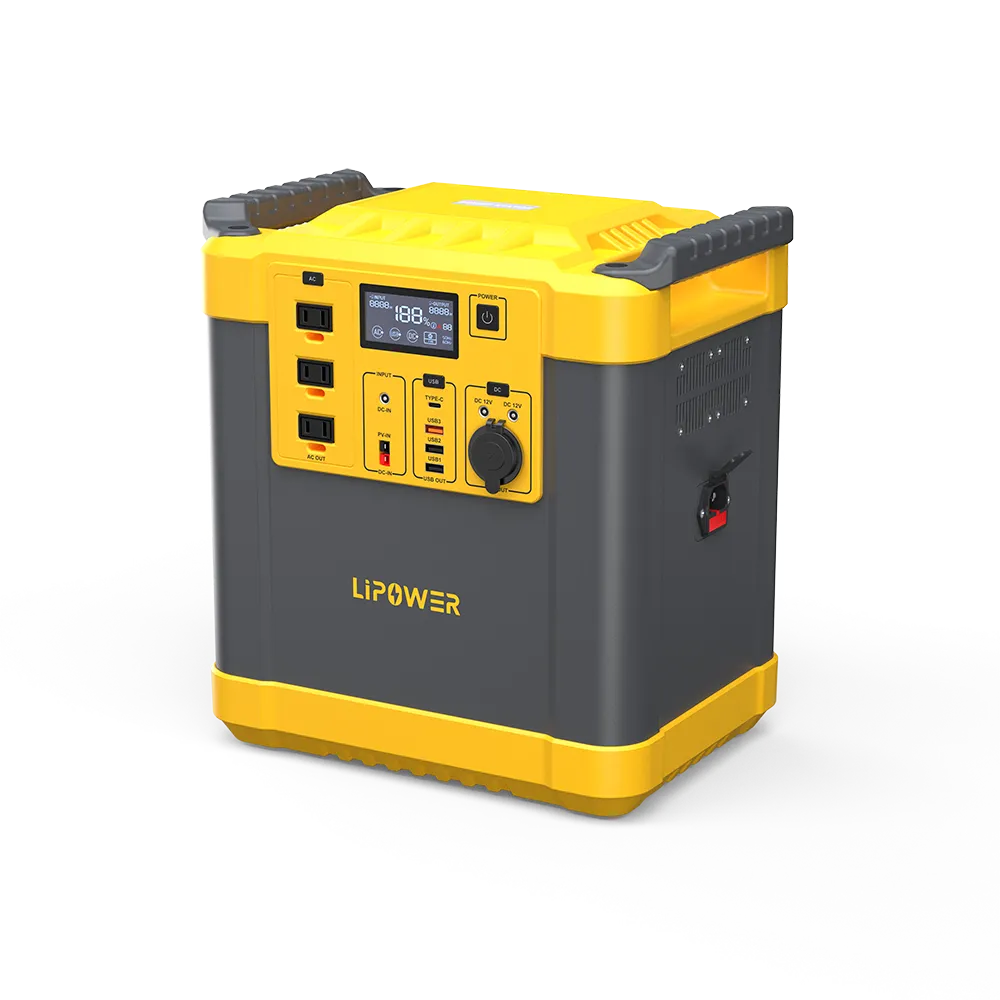
LiPower G1000
The all-rounder – stores the daily yield of a 600Wp balcony system. Also powers a TV, cooler, and router.
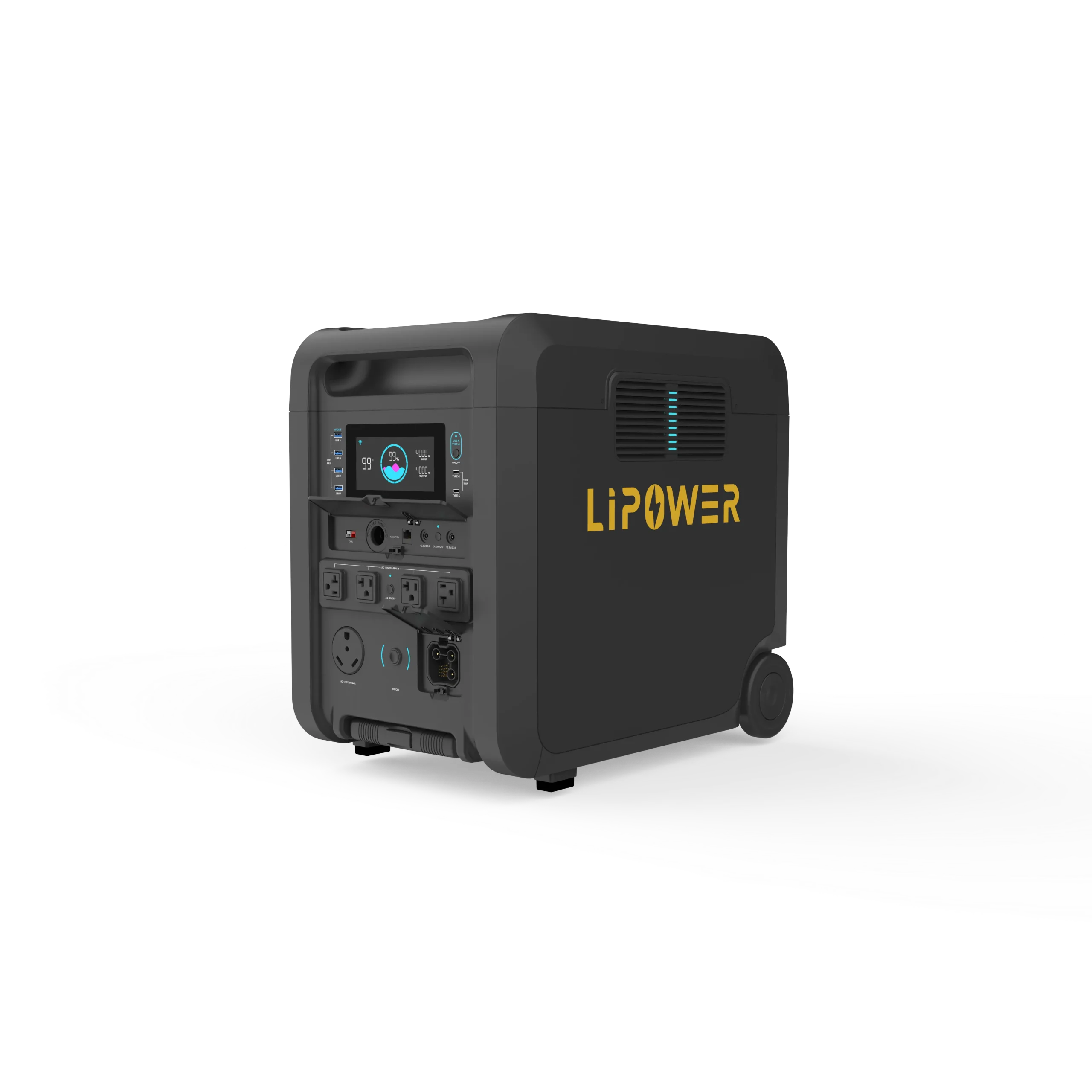
LiPower T4
Maximum storage capacity for 2000Wp balcony systems. Operates a refrigerator, washing machine, or multiple devices simultaneously.
Technical data at a glance
Find the right storage for your balcony power plant
| Characteristic | G1000 | T4 | G2000 |
|---|---|---|---|
| Capacity | 460 Wh | 6,144 Wh | 2,016 Wh |
| AC output power | 500 W | 4,200 W | 2,000 W |
| Peak Power | 2,000 W | 8,000 W | 4,000 W |
| Battery type | LiFePO4 | LiFePO4 | LiFePO4 |
| Charge cycles | 3.000+ | 3.000+ | 3.000+ |
| Solar input | MPPT, max. 200 W | MPPT, max. 400 W | MPPT, max. 500 W |
| AC charging time | about 4h | about 6h | about 8h |
| Outputs | 2× AC, 2× USB-A, 1× USB-C, 1× 12V DC | 3× AC, 2× USB-A, 2× USB-C, 1× 12V DC | 4× AC, 2× USB-A, 2× USB-C, 2× 12V DC |
| Weight | approx. 14 kg | approx. 61 kg | approx. 28 kg |
| Recommended for | Balcony up to 300Wp | Balcony up to 600Wp | Balcony up to 800Wp |
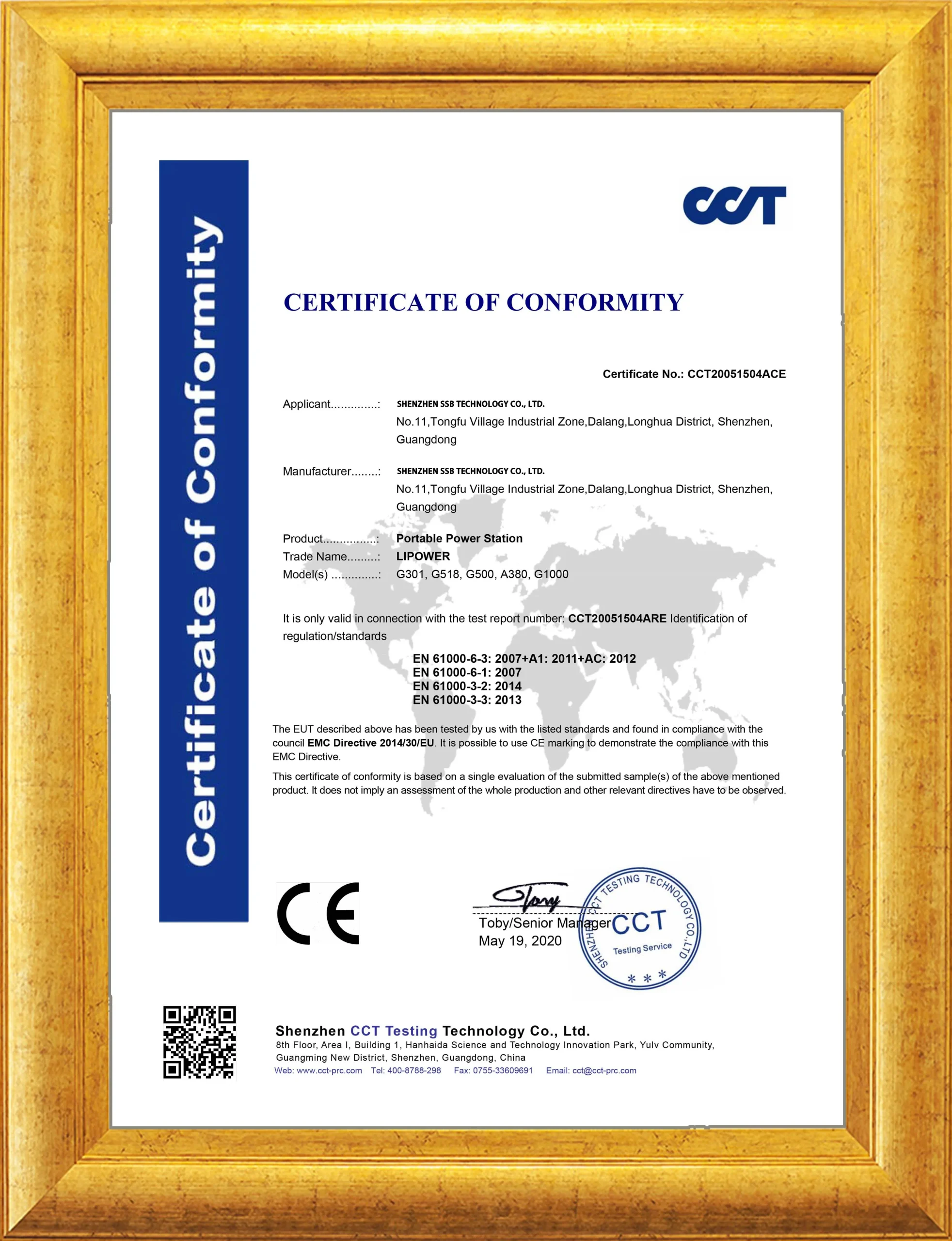
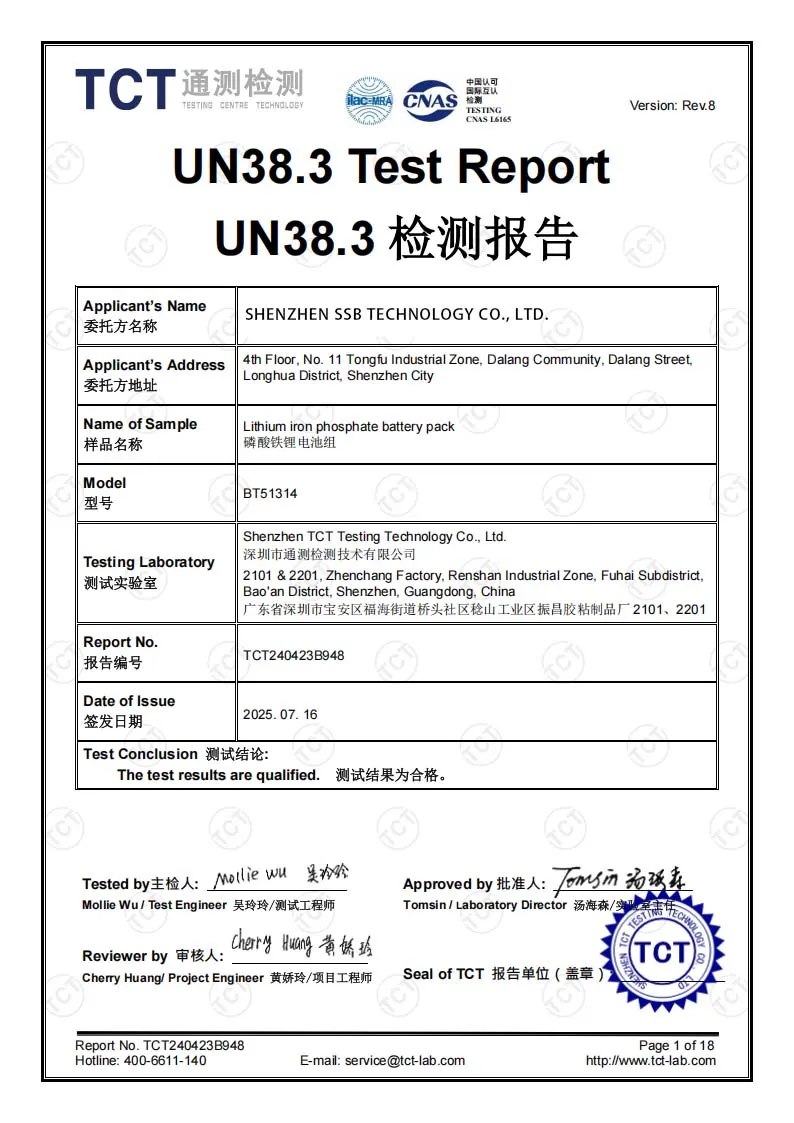
All models: Pure sine wave · BMS protection · CE / UL / UN38.3 certified
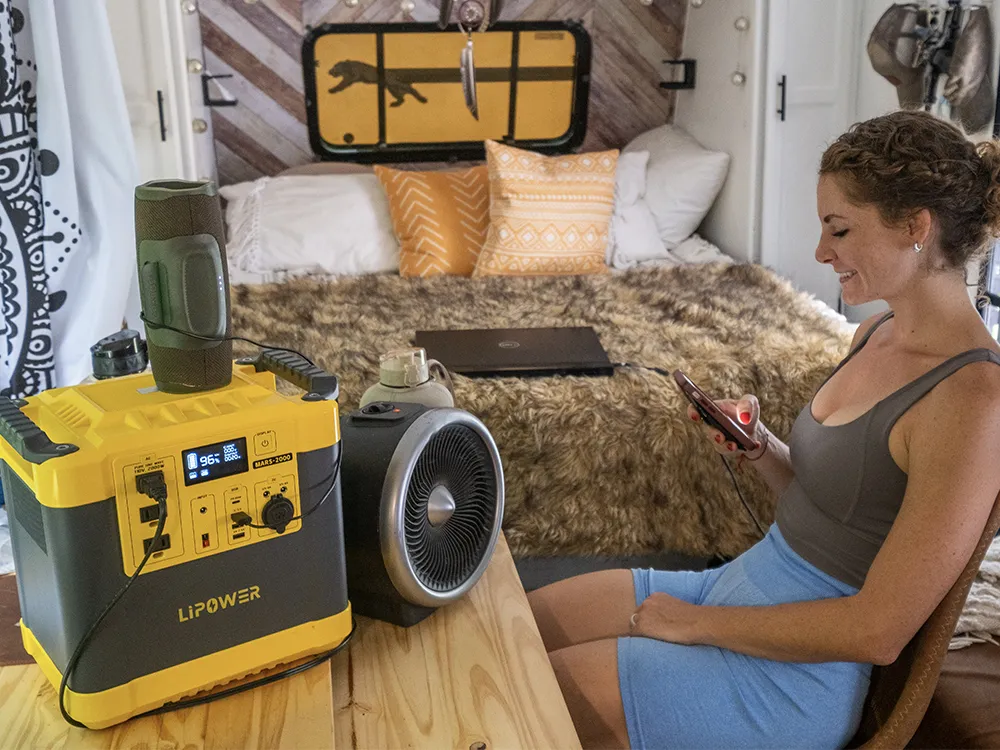
What can you power with stored solar electricity?
Example runtimes with the LiPower G1000 (1,008 Wh)
LED lighting
10 W
Laptop
60 W
Television
80 W
WLAN router
12 W
Smartphone
20 W
Our advantages as a manufacturer
Over 10 years of experience in energy storage
Direct factory price
No middlemen – competitive prices directly from the manufacturer.
OEM/ODM expertise
Full customization: logo, color, packaging, software. 125+ patents.
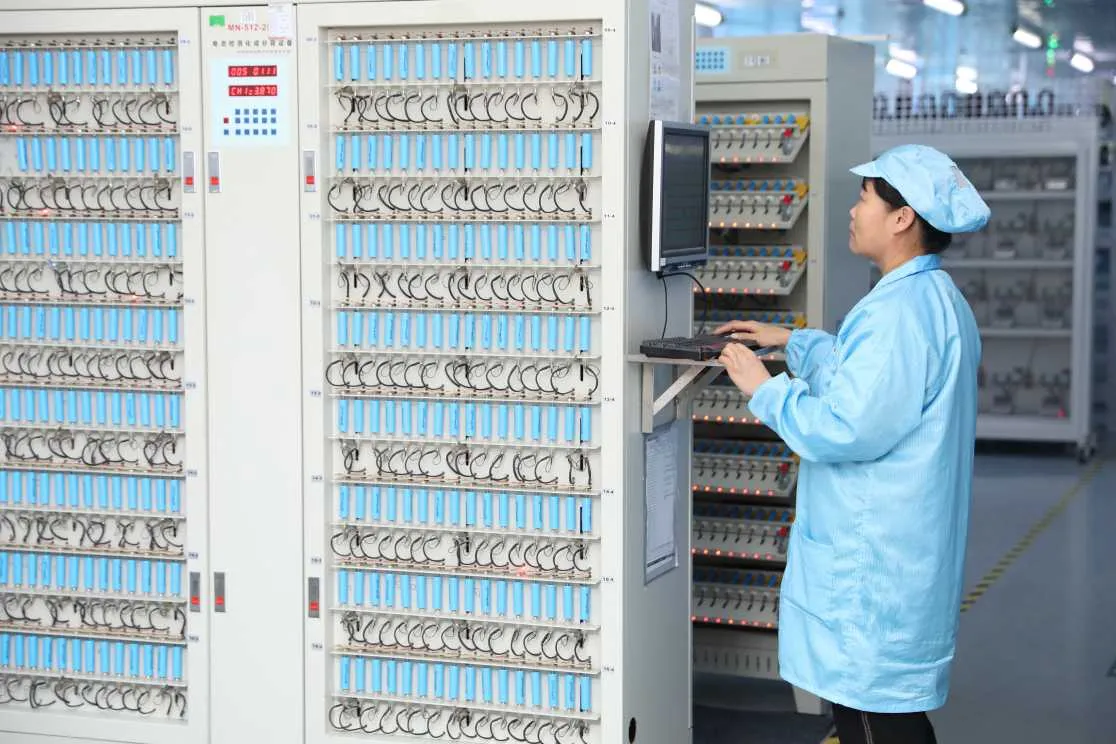
Certified quality
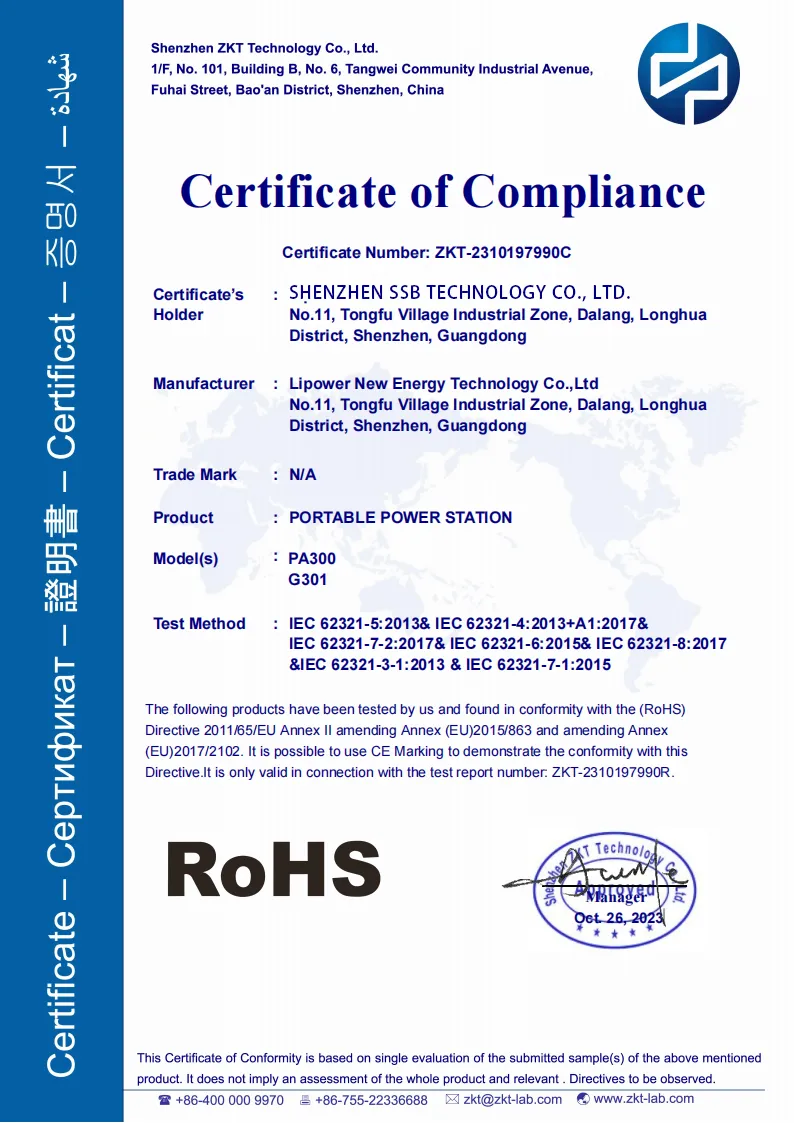
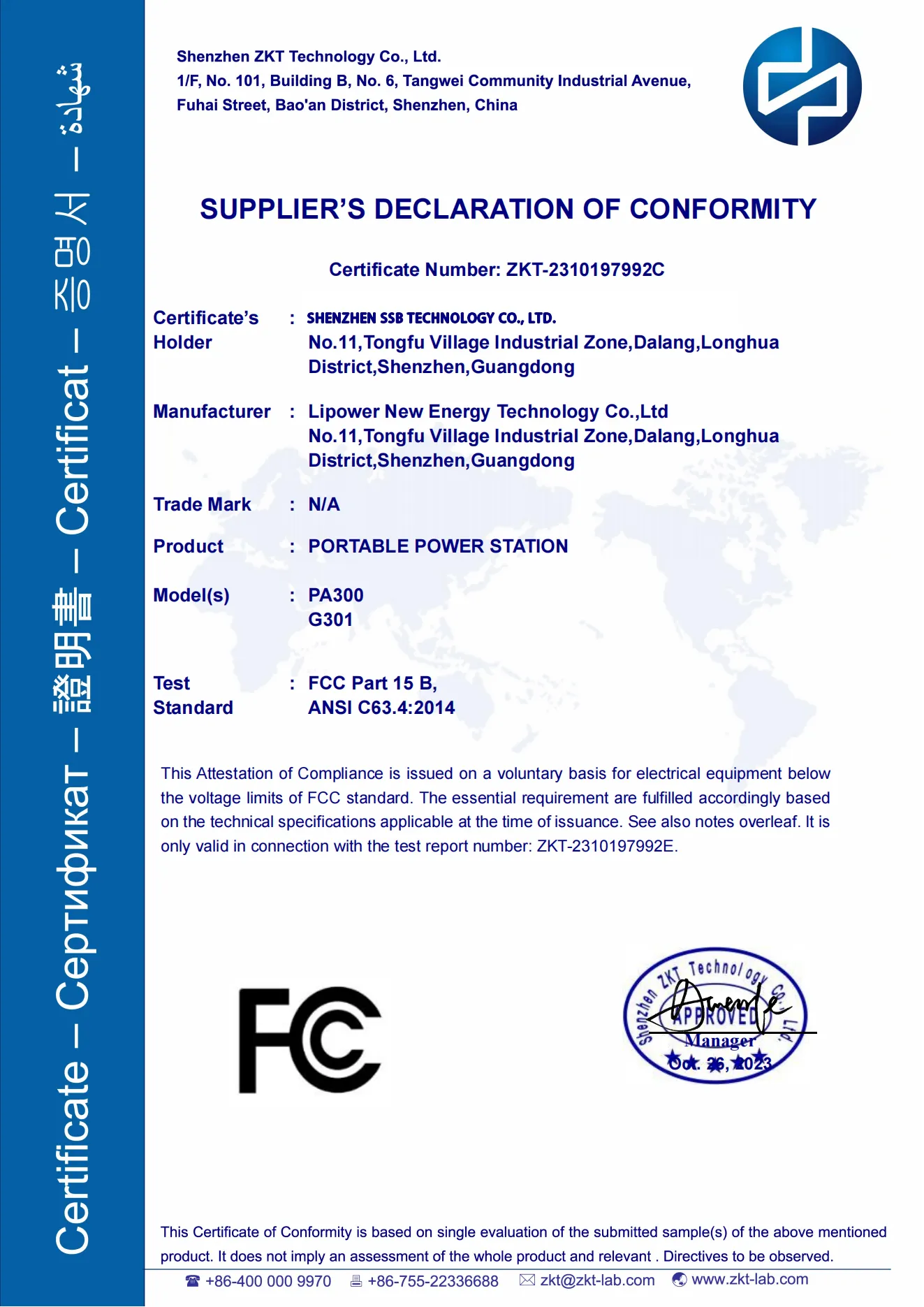
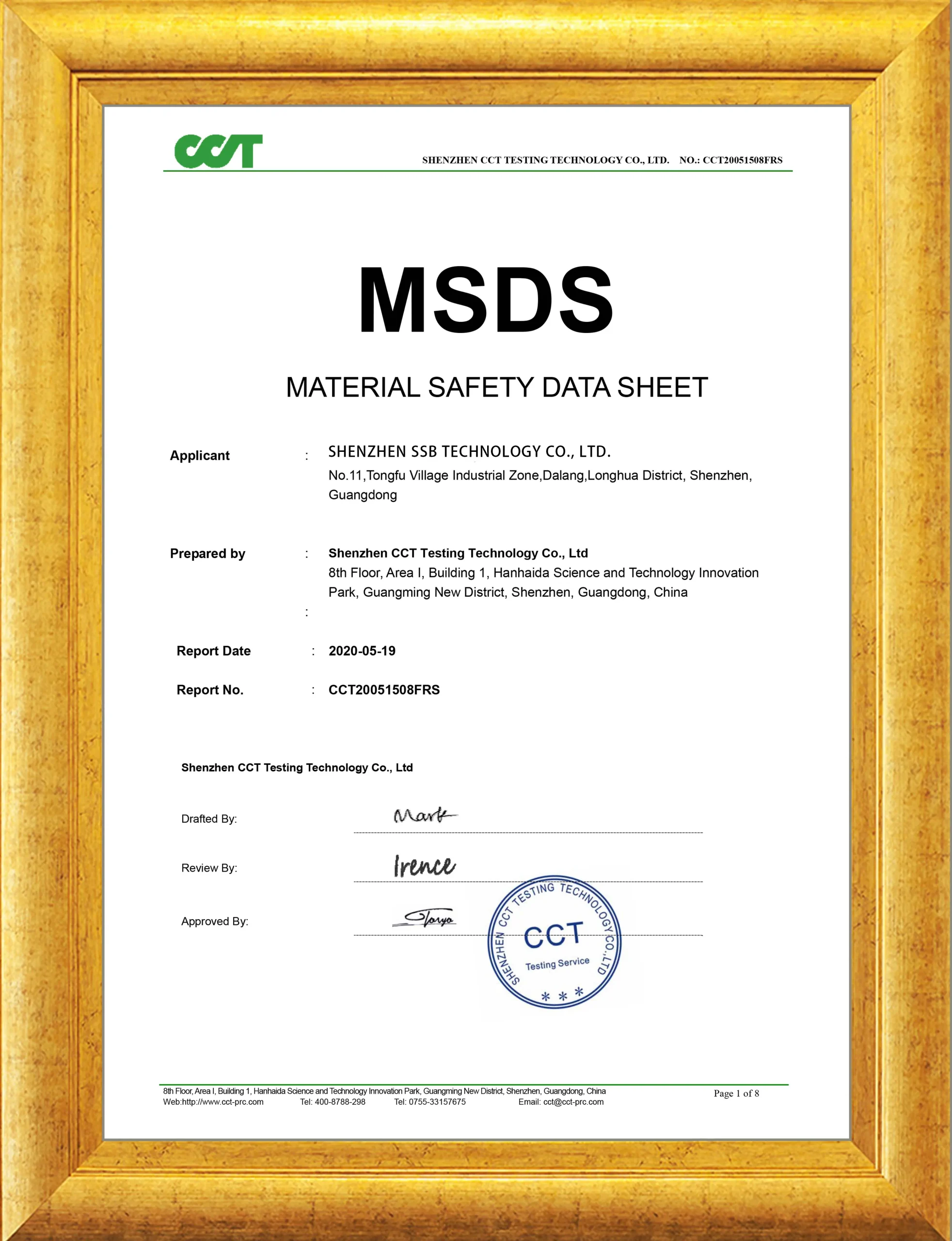
ISO9001, ISO14001, UL, UN38.3, CE, RoHS – every product 100% tested.
Own BMS system
Proprietary Battery Management System – protection against overcharge, short circuit, overheating.
Fast delivery
Large inventory capacity, flexible production planning. Delivery to Europe: 15–25 days.
Professional support
German-speaking technical support. After-sales service and spare parts supply.
Highest quality standards for your safety
Each product undergoes strict testing before leaving our plant
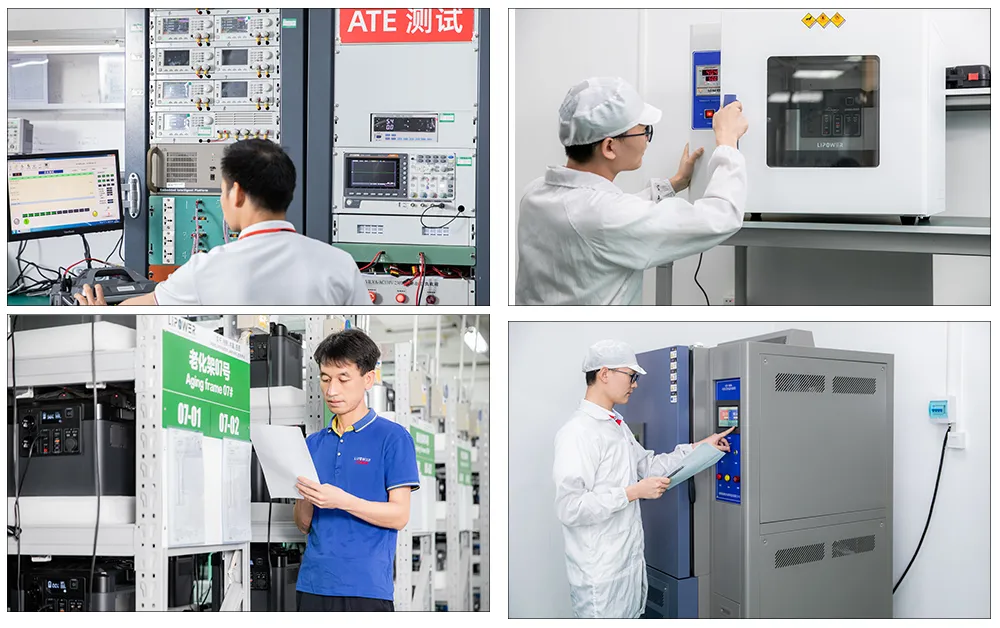
Incoming inspection
All raw materials are tested for conformity and quality before production begins.
In-process control
Continuous monitoring throughout the entire manufacturing process – automated and manual checkpoints.
Functional & safety tests
Each power station undergoes comprehensive performance tests: BMS functionality, temperature behavior, protection features.
100% final inspection
Optical and functional inspection before shipping. Defect rate below 0.3%.

Frequently Asked Questions
All the important information on balcony power plants, storage, and power supply
How big should the storage be for a balcony power plant?
For most households, a storage of about 1 to 2 kWh is a sensible size. This allows excess solar power from the day to be shifted into the evening hours. If you only have a low base load, a smaller storage often suffices. A storage that is too large for a balcony power plant is often not worthwhile because the daily available solar energy is limited.
Which storage is the best for a balcony power plant?
The best storage is not automatically the largest model, but the one that fits the performance of your balcony power plant and your electricity consumption Important are high safety, good compatibility, efficient battery management, simple operation, and long life. For many users, a compact LiFePO4 storage with good app monitoring and reliable charging electronics is the best choice.
Is a balcony power plant with 2000 watts and storage sensible?
Yes, a balcony power plant with 2000 watt module power and storage can be sensible if you have enough space for the modules and want to use as much solar power as possible yourself. The advantage is that even in poorer weather or unfavorable orientation, more energy can be generated and stored. This combination is especially interesting for households with high daytime or evening consumption.
What are the disadvantages of a balcony power plant with storage?
A balcony power plant with storage has, above all, higher purchase costs than a simple plug-in solar device without storage. Additionally, there are small conversion losses during charging and discharging. The storage also requires space and often extends the payback period. It is economically particularly sensible to have storage especially when a lot of solar power would regularly be wasted without it.
Can I run a washing machine with a balcony power plant?
Yes, a washing machine can partially use the power from a balcony power plant They can be operated. In practice, the balcony power plant usually does not cover the full output, as washing machines draw high loads for a short time depending on the program. The most sensible approach is to run the machine during the day when there is good solar radiation. This reduces your electricity consumption from the public grid.
What does a 2000-watt balcony power plant yield per day?
A 2000-watt balcony power plant can generate roughly 5 to 10 kWh of electricity per day on a good summer day, depending on location, orientation, and weather. In spring and autumn, the yield is usually lower, and in winter it is significantly lower. What matters are solar irradiation, shading, roof or balcony location, and the quality of the modules.
Why isn’t a balcony power plant worth it?
A balcony photovoltaic system is especially not worth it when the location is heavily shaded, the orientation is unfavorable, or there is hardly any own electricity consumption during the day. Also too high acquisition costs, additional costs for storage or installation, as well as poorly positioned modules can worsen the economic viability. Under good conditions, however, a balcony photovoltaic system can be very cost-effective.
How much electricity does a 2000-watt balcony power plant generate per year?
A balcony power plant with 2000 watts module power can, depending on location and installation conditions, roughly 1,600 to 2,200 kWh of electricity per year be produced. Very good south orientation without shading can improve the yield, while north orientation or partial shading can significantly reduce it. The actual benefit also depends on how much of this electricity is used directly or stored.
Do I have electricity during a power outage with photovoltaic with storage?
Not automatically. Many photovoltaic systems with storage are grid-tied and shut off during a power outage for safety reasons. Only systems with emergency power or island mode can continue to provide power when the grid is down. Therefore, before purchasing, you should check whether the storage is explicitly suitable for emergency power supply.
How large must a power storage be to be self-sufficient?
To be truly self-sufficient, a small balcony solar power storage is usually not enough. The required storage size depends on your daily electricity consumption, the season, and the desired bridging duration. For a high self-supply, you typically need a larger PV system, a substantially larger storage, and a well-coordinated energy management system.
Which storage is deleted during a power outage?
A storage device is normally not erased. What is often meant: many systems simply shut down during a power outage when there is no emergency power function. The stored energy remains, but cannot be used without appropriate technology. So the decisive question is not whether the storage is erased, but whether the system is capable of emergency power.
How long should the cable from the balcony power plant to the socket be?
The cable from the balcony power plant to the socket should always as short as reasonably possible and the manufacturer specifications. Important are a suitable cable cross-section, safe installation and the use of high-quality, outdoor-suitable conductors. Provisional extensions or unsuitable cables should be avoided to reduce safety risks and power losses.
 English
 German
 Spanish
 French
 Ukrainian
 Czech
 Swedish
 Belarusian
 Dutch