

Solar storage for Private households
LiFePO4 battery storage for maximum solar self-sufficiency in private households – 5 to 20+ kWh, compatible with all common inverters, with optional backup function. Developed for installers, project developers, and distributors.
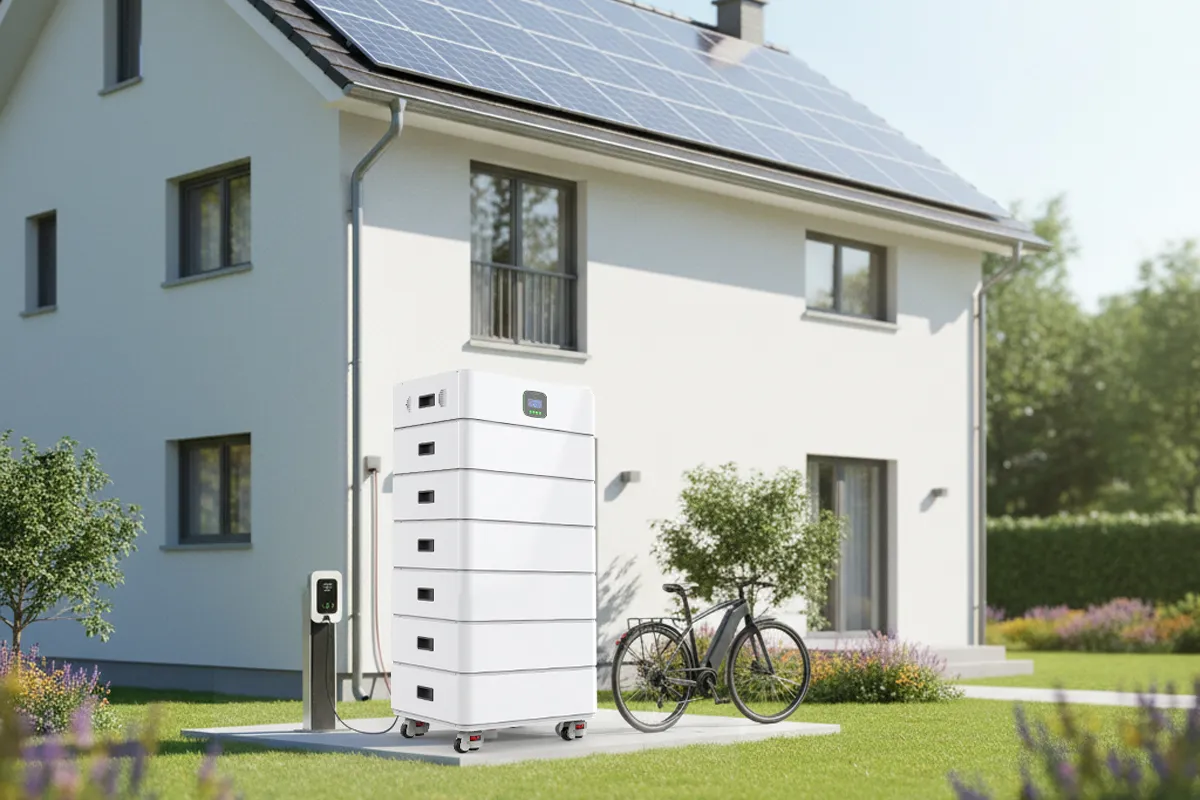
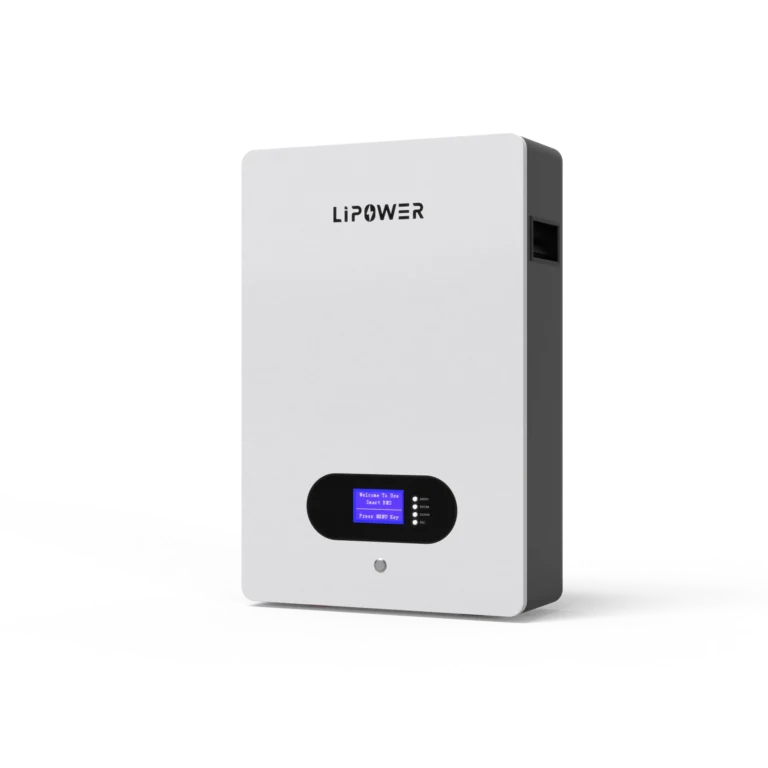
Growing demand for solar storage in the private sector
Rising electricity prices and increasing new PV installations are strongly driving demand for home storage. Installers and distributors need reliable, scalable solutions that integrate seamlessly into existing and new systems.
Rising grid electricity prices
Private households want to minimize expensive grid purchases and use as much self-generated solar power directly as possible.
Make use of PV surplus
Without storage, a large portion of generated solar power is fed into the grid — at a significantly lower tariff than the grid purchase price.
Independent in the evening and at night
PV generates electricity during the day, while consumption is highest in the evening — a storage system reliably bridges this time gap.
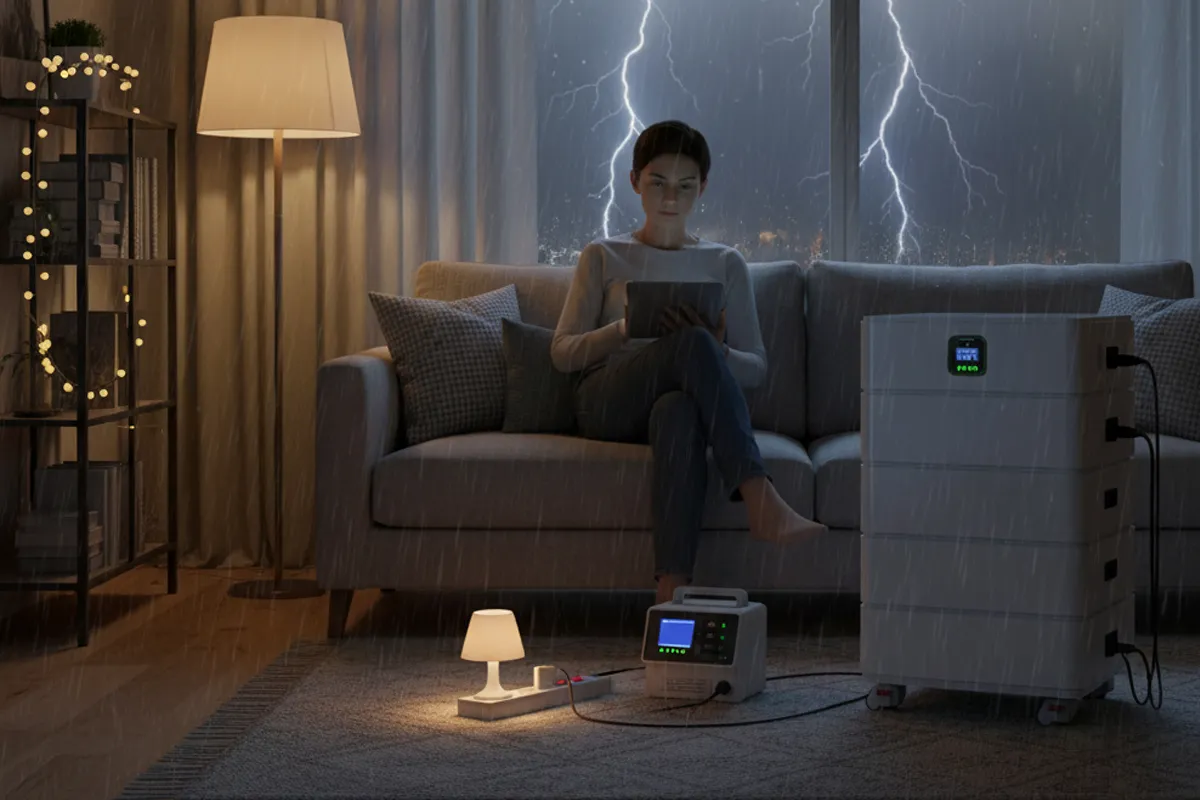
Backup as added value
A solar storage system with UPS function combines self-consumption optimization with automatic emergency power supply during a grid outage.
Typical project scenarios for solar storage
LiPower solar storage systems are used in all typical private PV project configurations.
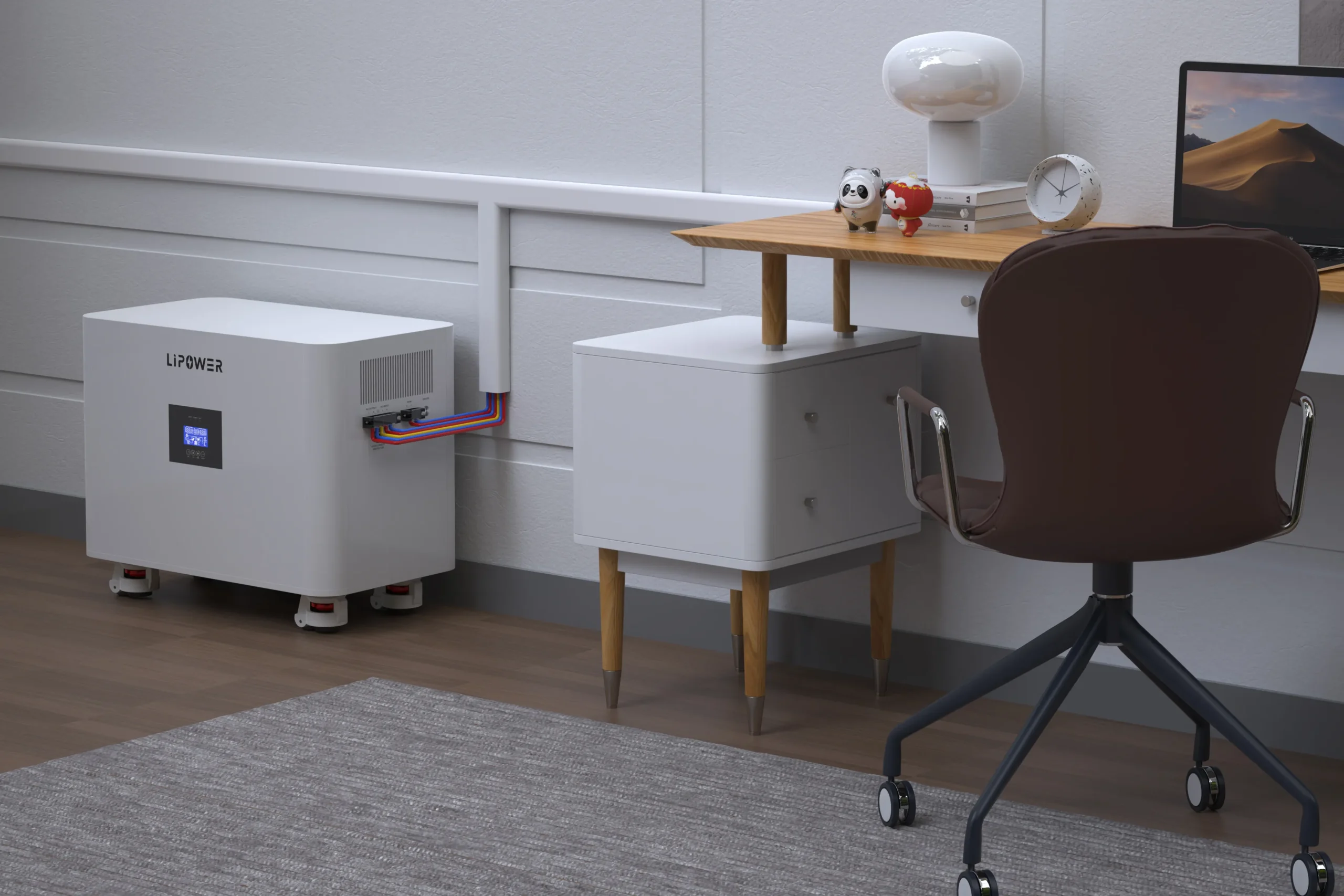
New construction with PV + storage
Complete package from a single source – PV system and storage planned and installed together.
Storage retrofit
Adding a battery storage system to an existing PV system – possible on the AC side without changing the inverter.
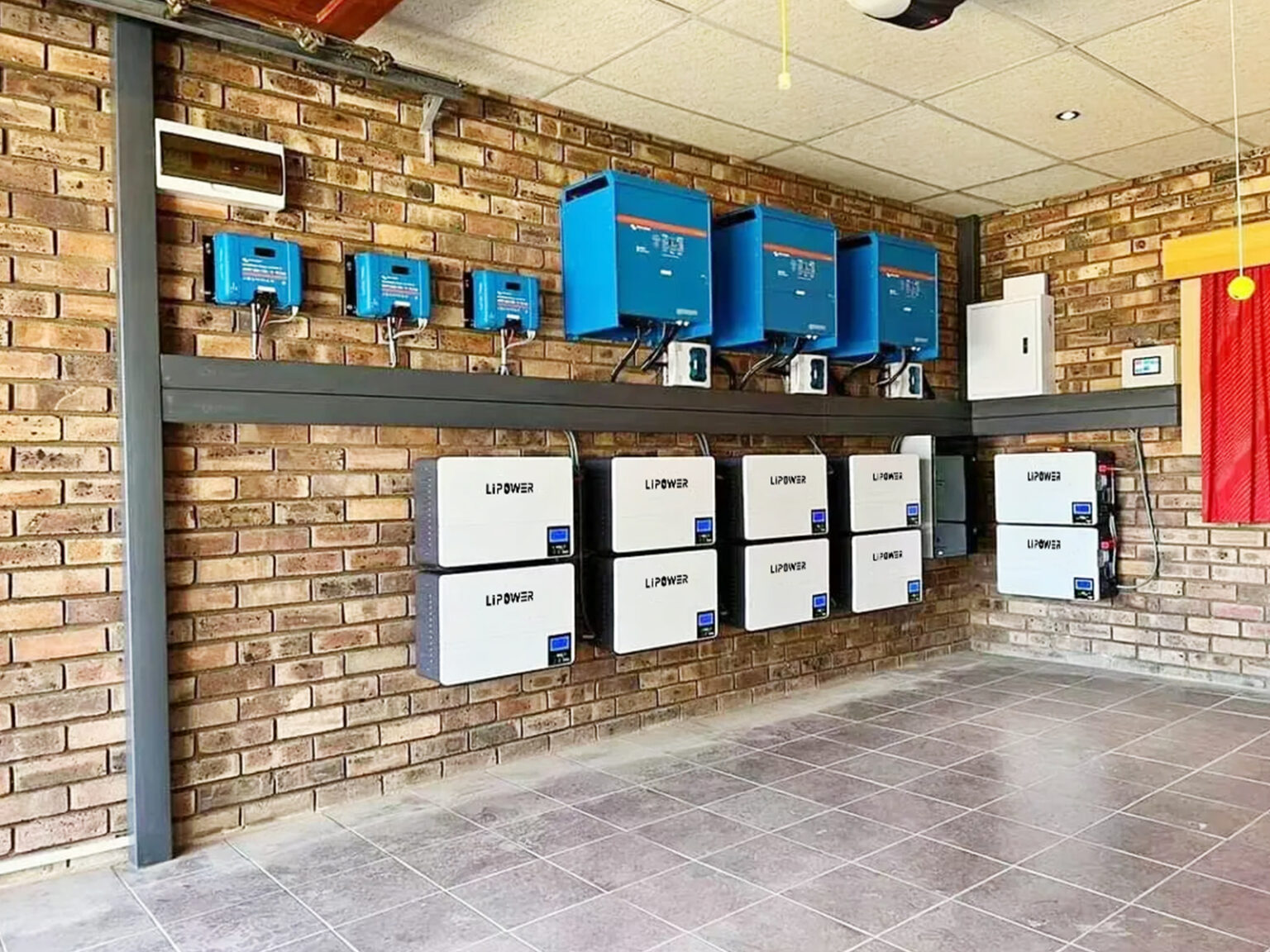
Multi-family home & tenant electricity
Shared storage for multiple units – tenant electricity concepts and collective self-supply.
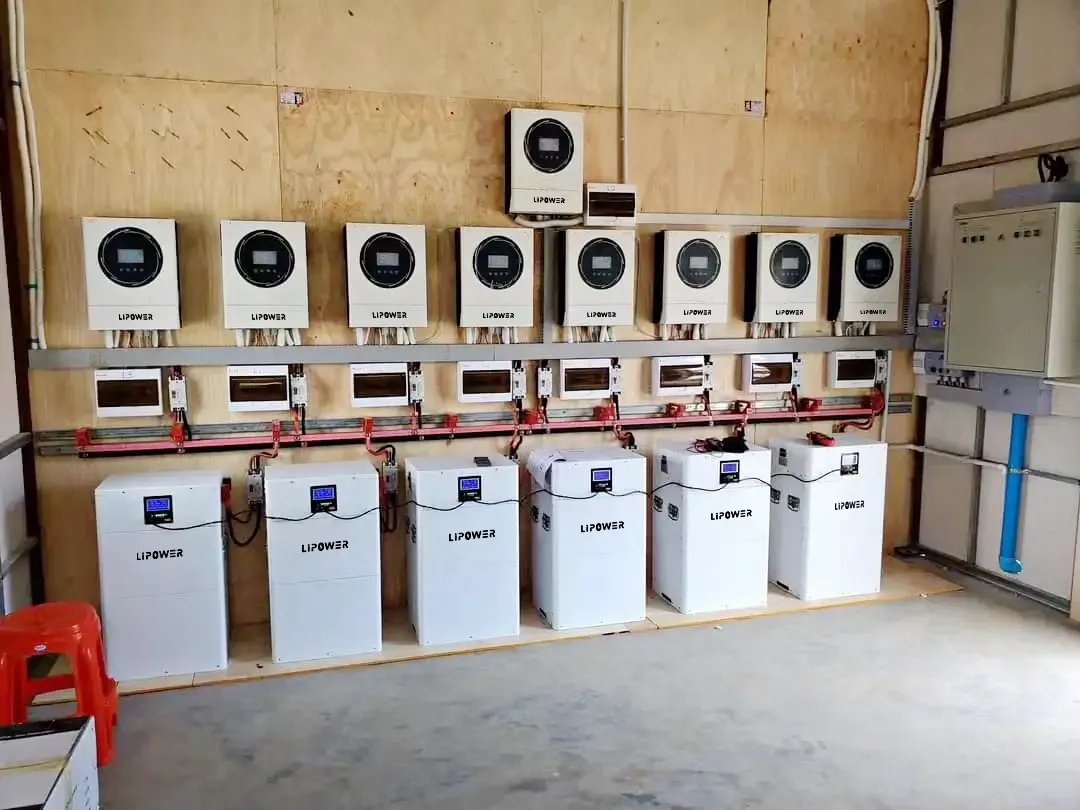
Series projects & rollout
Standardized configurations for installation companies equipping many households simultaneously.
How private households use LiPower solar storage
Three typical real-life use scenarios.
Maximum self-consumption optimization
The storage charges when there is a PV surplus and discharges in the evening – up to 95% self-consumption is possible.
- Storing PV surplus during the day
- Covering evening base load demand
- Reducing grid purchase to a minimum
- Minimizing feed-in tariff losses
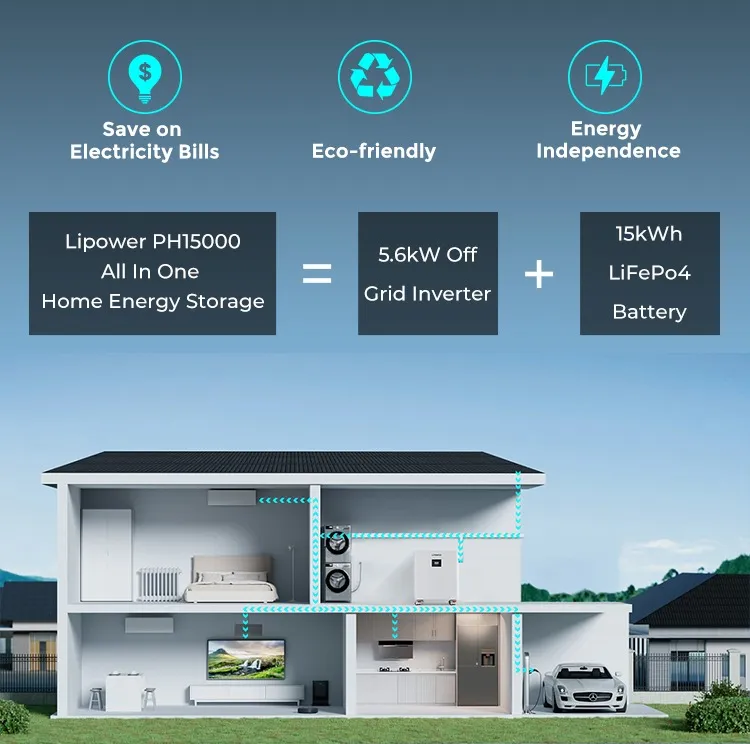
Solar + backup in one system
All-in-one systems combine self-consumption optimization with automatic backup supply during grid outages.
- Daily self-consumption optimization
- UPS switching during power outage < 30 ms
- Critical loads permanently protected
- No separate UPS system needed
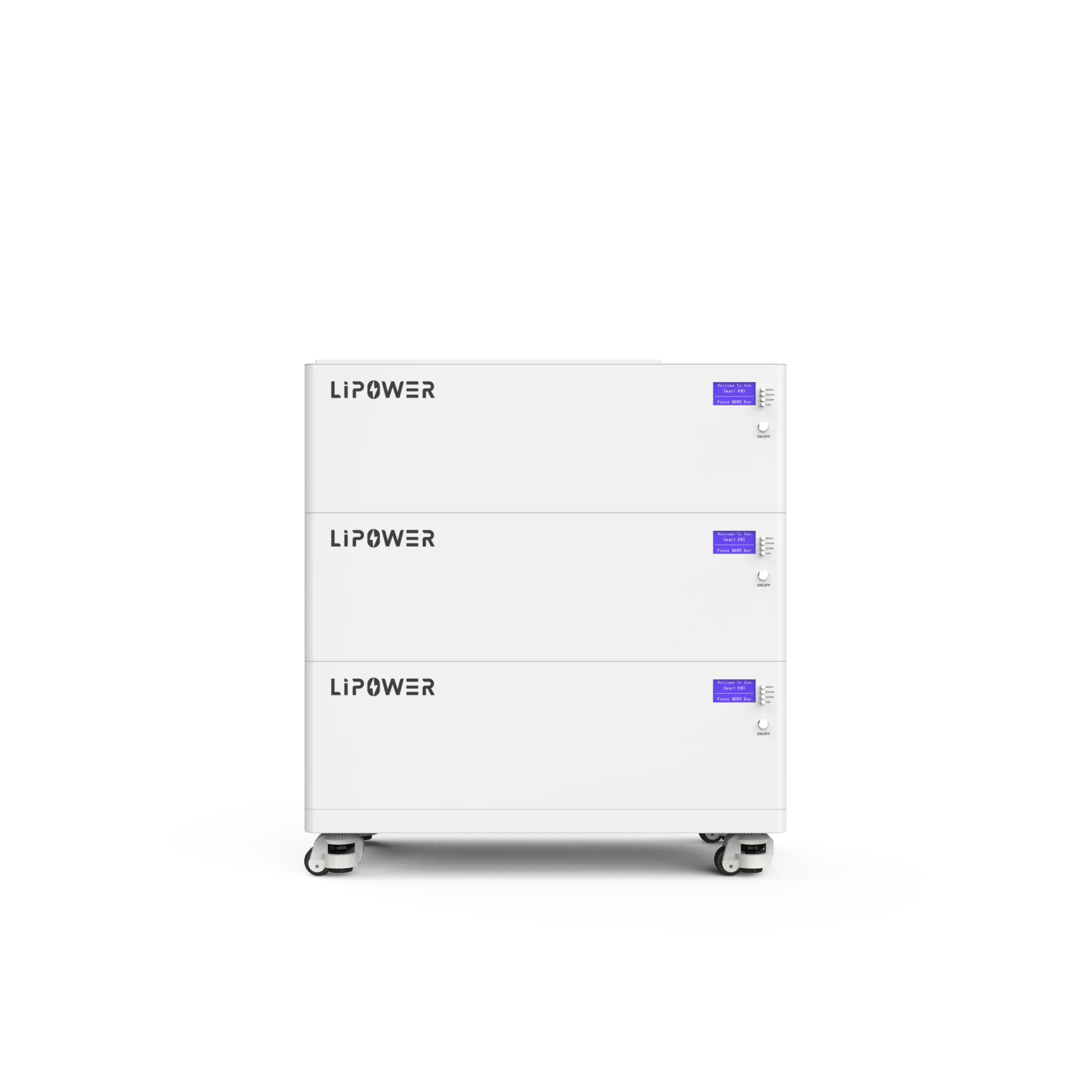
Modular expansion for growing requirements
Start with a small battery and expand step by step as demand increases—without replacing the system.
- Start with 5 kWh
- Expand to 10, 15, or 20+ kWh
- Compatible with future electric vehicles
- Invest with future-proofing
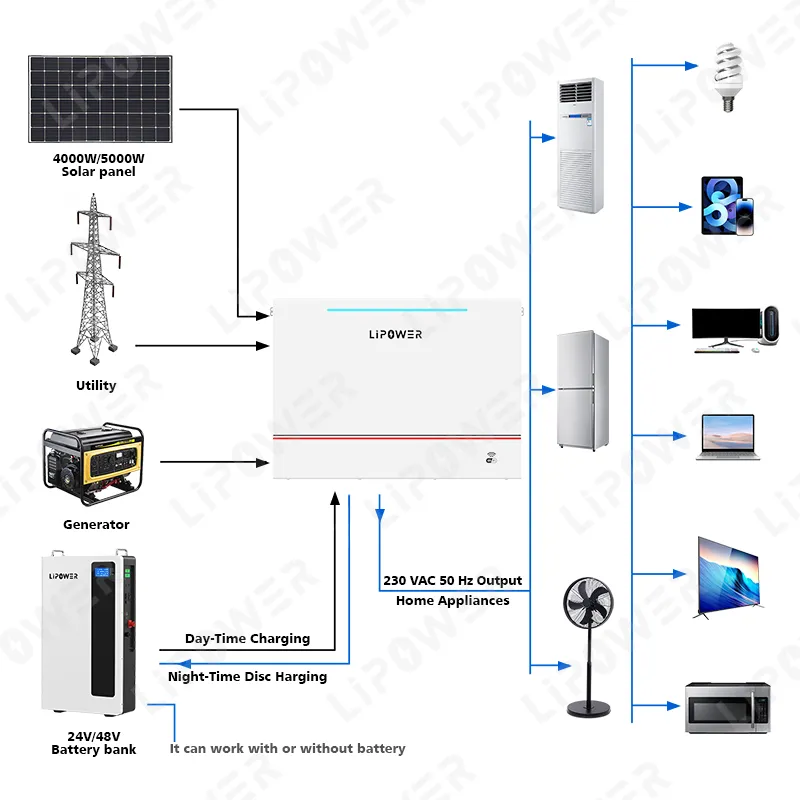
System architecture: PV + storage for residential homes
LiPower solar batteries integrate into any common system topology—on the DC side or AC side.
Energy flow
Recommended solar storage configurations
Three proven configuration levels for different PV system sizes and household needs.
Entry-level storage
For 3–5 kWp PV system
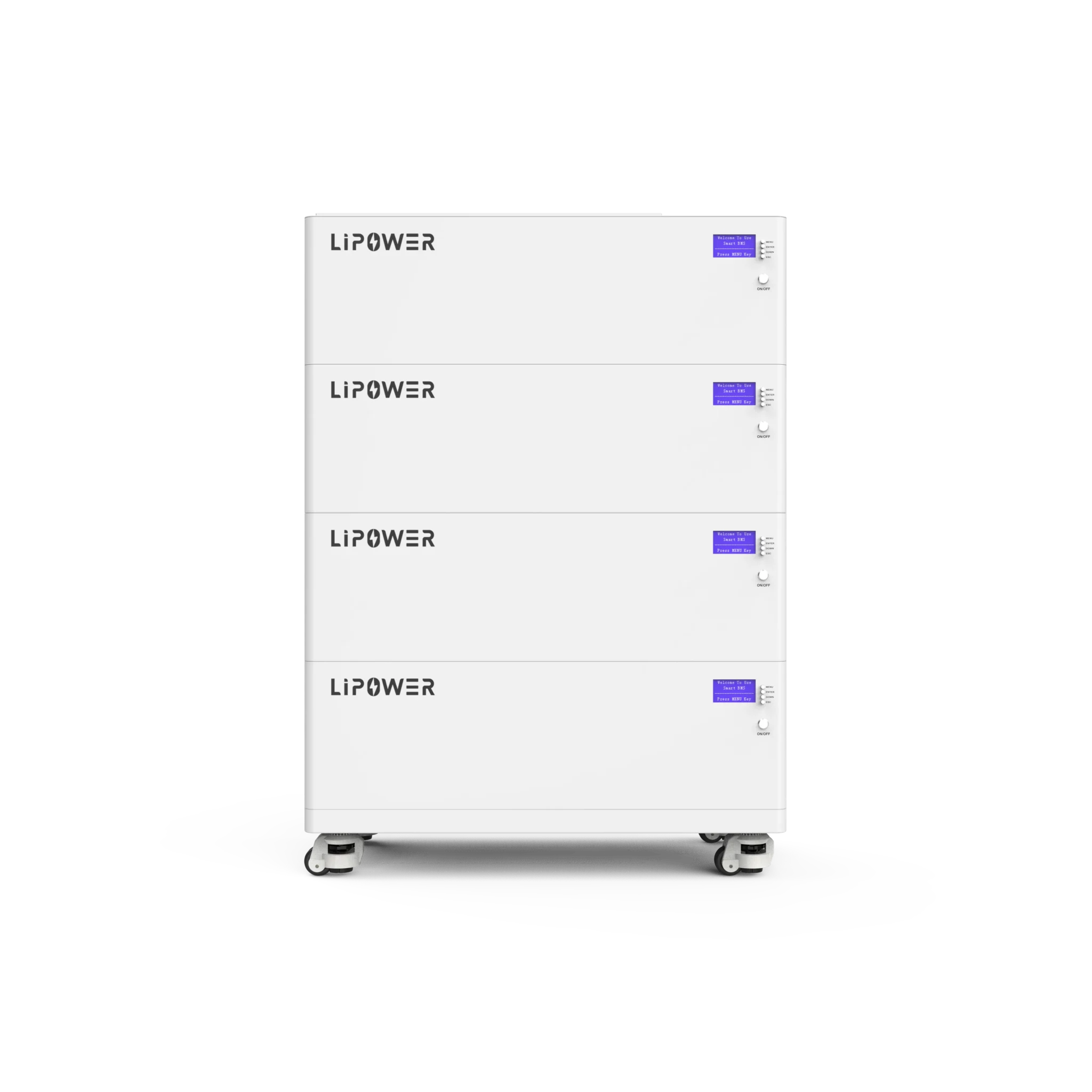
Standard home storage
For 8–12 kWp PV system
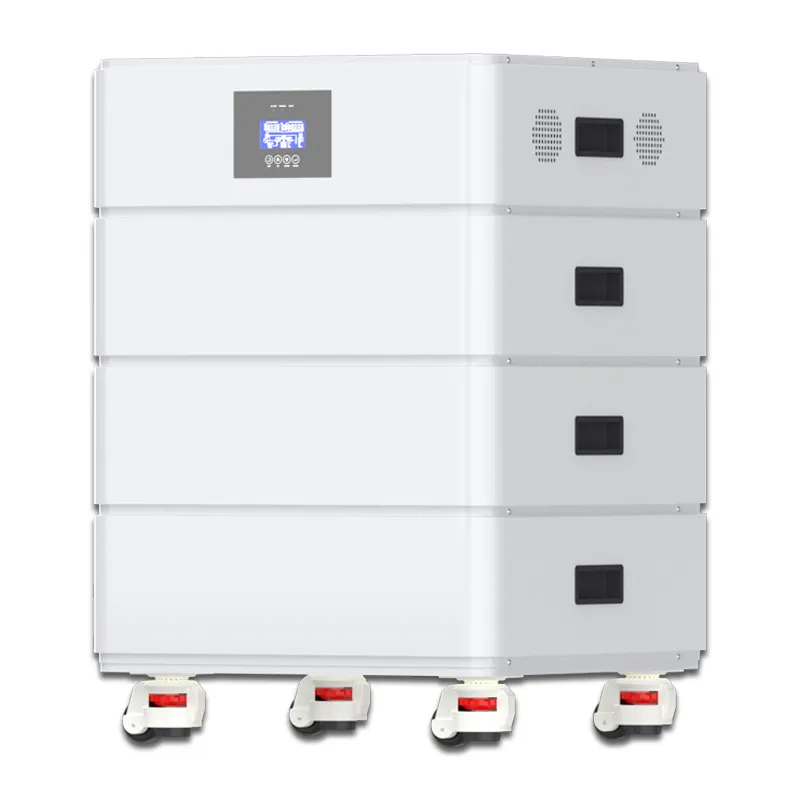
All-in-one premium solution
For 12+ kWp + backup requirement
What is powered by solar electricity from the storage
LiPower solar storage systems cover all typical household load profiles in the evening and at night.
washing machine
Evening programs self-sufficient
Dishwasher
Nighttime with solar power
Refrigeration units
24h continuous supply
Lighting
LED systems in the evening
Entertainment
TV, HiFi, Streaming
Home office
PC, monitor, printer
Charging electric car
Refuel with solar power
heat pump
When sufficient capacity is available
Project support and flexible collaboration
LiPower supports PV installers, energy consultants, and distributors with solar storage projects of any size.
Installation partner
Preferred terms and technical support for certified PV installation companies.
Project-based delivery
Configured systems for individual projects – on schedule, according to specifications, with documentation.
Distribution & wholesale
Long-term supply partnerships for electrical wholesalers and specialty distributors in all countries.
OEM / Private Label
Complete product customization and own branding for brand and channel partners.
System design per project
Capacity and configuration recommendations based on consumption profile and PV system.
Technical Documentation
Wiring diagrams, data sheets, installation guides, CE certificates available upon request.
Sales documents in German
Product presentations and customer materials in German.
Long-term partnership
Stable supply chain, predictable terms, and growing cooperation.
Why LiPower for solar storage projects?
What distinguishes LiPower as a storage partner in the PV segment.
Focus on energy storage
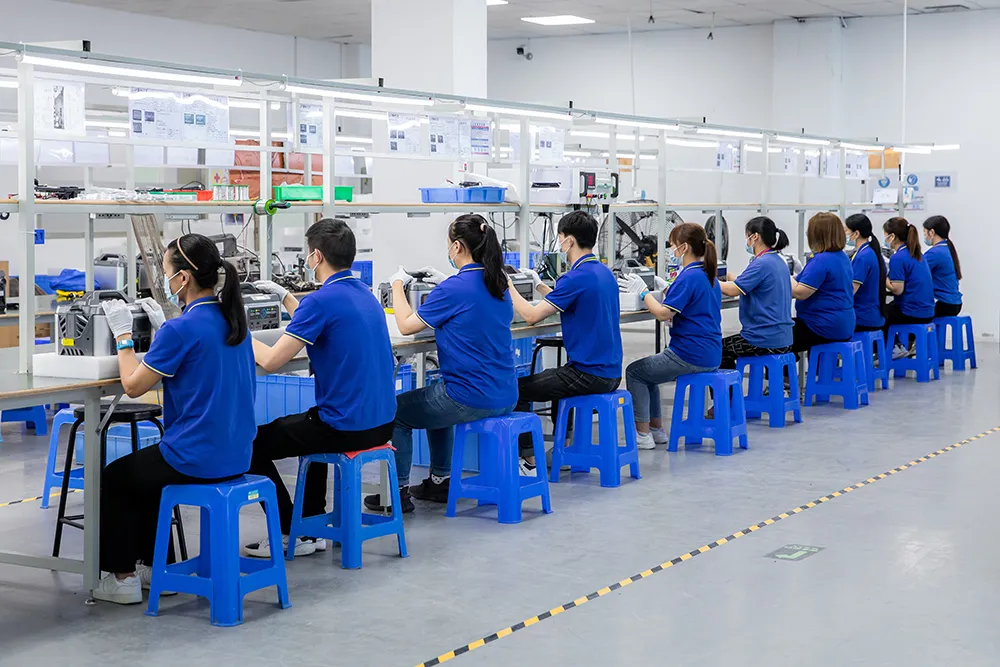
LiPower exclusively develops battery storage and backup systems – full product focus without diversification risk.
LiFePO4 – safe & long-lasting
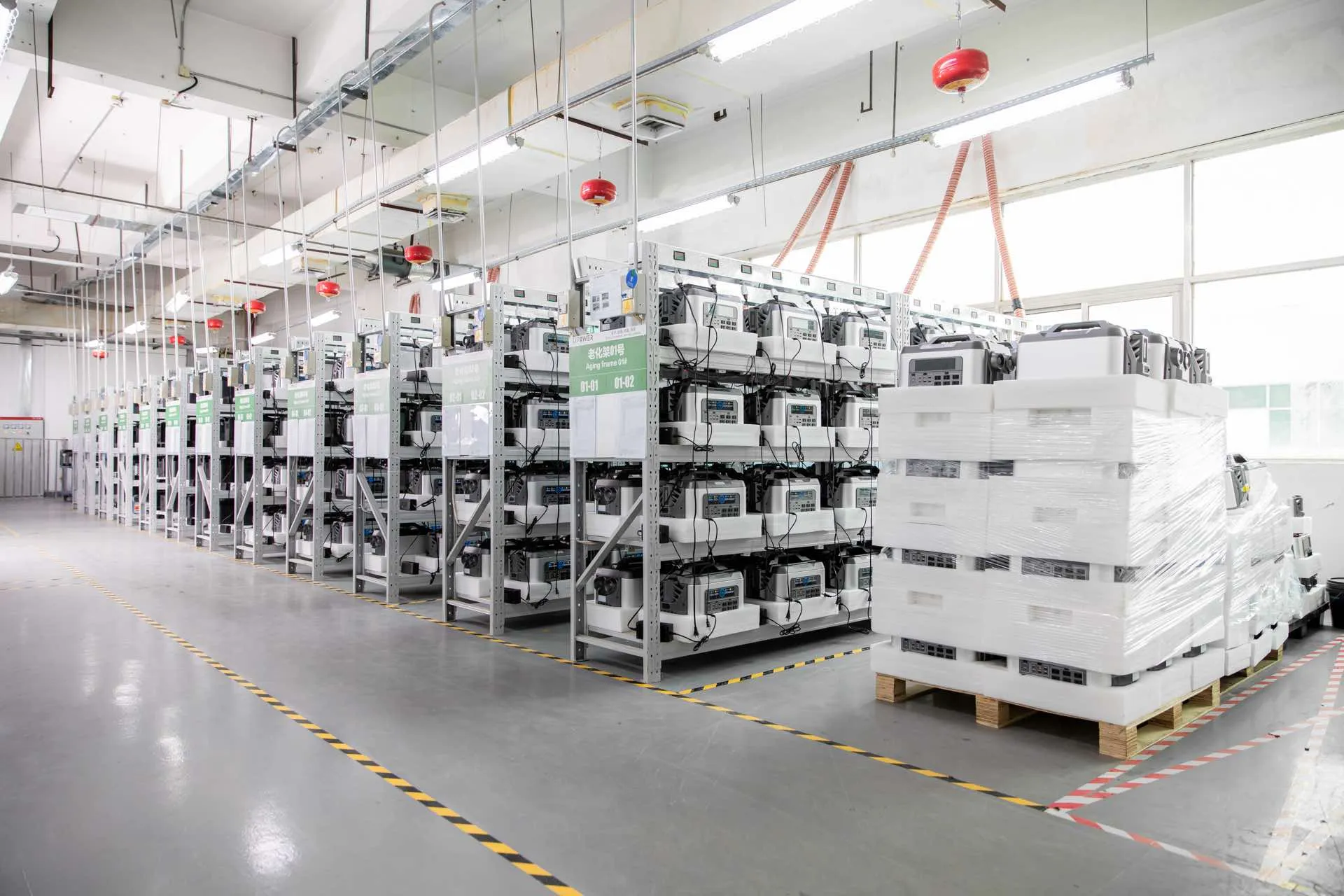
6,000+ charge cycles, thermally stable, no thermal runaway—the safest battery chemistry for residential use.
Compatible with all inverter brands
SMA, Fronius, Growatt, Sungrow, Deye – broad inverter compatibility for easy integration.
Scalable capacities
From 5 kWh entry-level to 20+ kWh modular stacked systems – one supplier for all project sizes.
OEM/ODM capability
Complete customization of enclosure, firmware, and branding for brand and installation partners.
EU-compliant certification
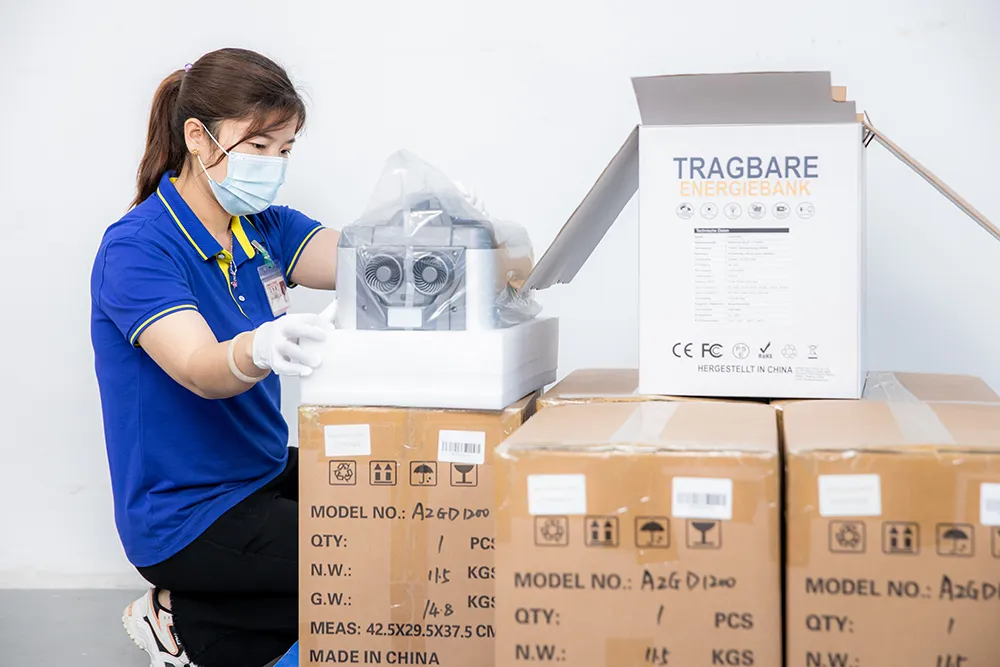
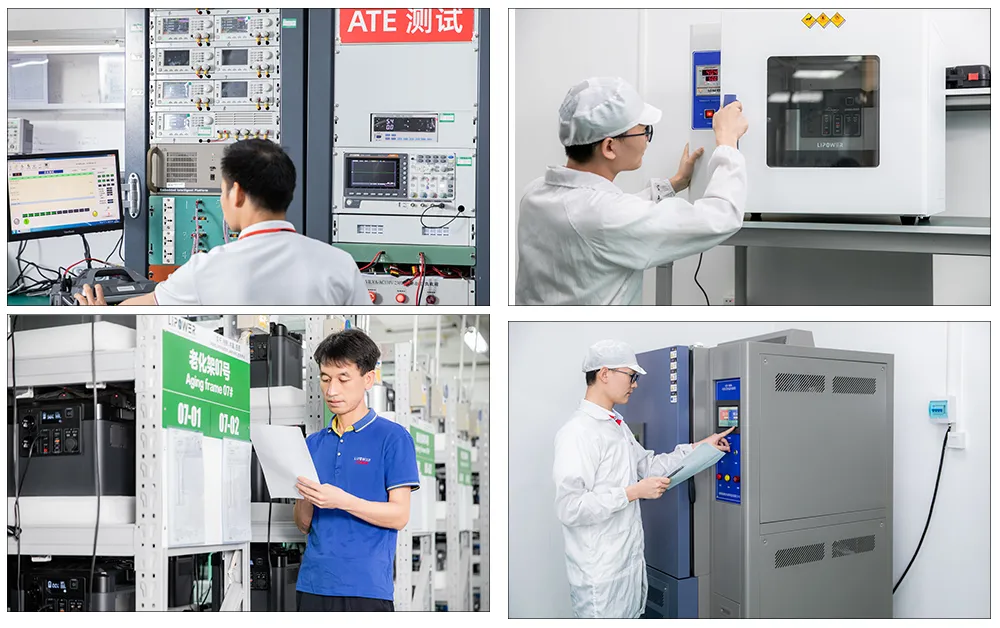
CE, IEC 62619, UN38.3 – all relevant standards for the photovoltaic storage market met.
Frequently Asked Questions
Answers about solar batteries for private households.
For a single-family home with 5–10 kWp PV, we recommend 5–15 kWh. Rule of thumb: storage capacity ≈ PV output in kWp. For maximum self-sufficiency or backup functionality, a larger capacity can be chosen.
LiPower storage systems are compatible with SMA, Fronius, Growatt, Sungrow, Deye, and other common hybrid inverters – on the AC and DC side depending on system design.
Yes. LiPower all-in-one systems automatically switch to battery power in under 30 ms during a grid outage – without manual intervention and without noticeable interruption.
LiPower LiFePO4 cells achieve 6,000+ charge cycles at 80% remaining capacity – that corresponds to about 15–20 years of service life with daily charging.
Yes. Our stackable systems (e.g., BT51314) are modularly expandable from 5 kWh to 30+ kWh by simply adding more units – without replacing the existing system.
Yes. LiPower offers complete OEM/ODM solutions including enclosure, firmware, branding, and packaging for distributors and brand partners.
In principle, solar batteries can be subsidized under national or regional incentive programs. Because programs change regularly, we recommend checking current eligibility with your energy provider or relevant funding agency.
LiPower provides installation partners with individualized configuration recommendations, technical documentation, and sales materials. We support projects from system selection through delivery.
 English
 German
 Spanish
 French
 Ukrainian
 Czech
 Swedish
 Belarusian
 Dutch